13 steps to defensible link building in a post-penguin world

Are Panda and Penguin Related?
Looking back at Google’s algorithm updates over the last 12 months, I think we’re seeing a very similar trend:- Panda = penalising websites with thin or weak content
- Penguin = penalising sites which have links from thin or weak content
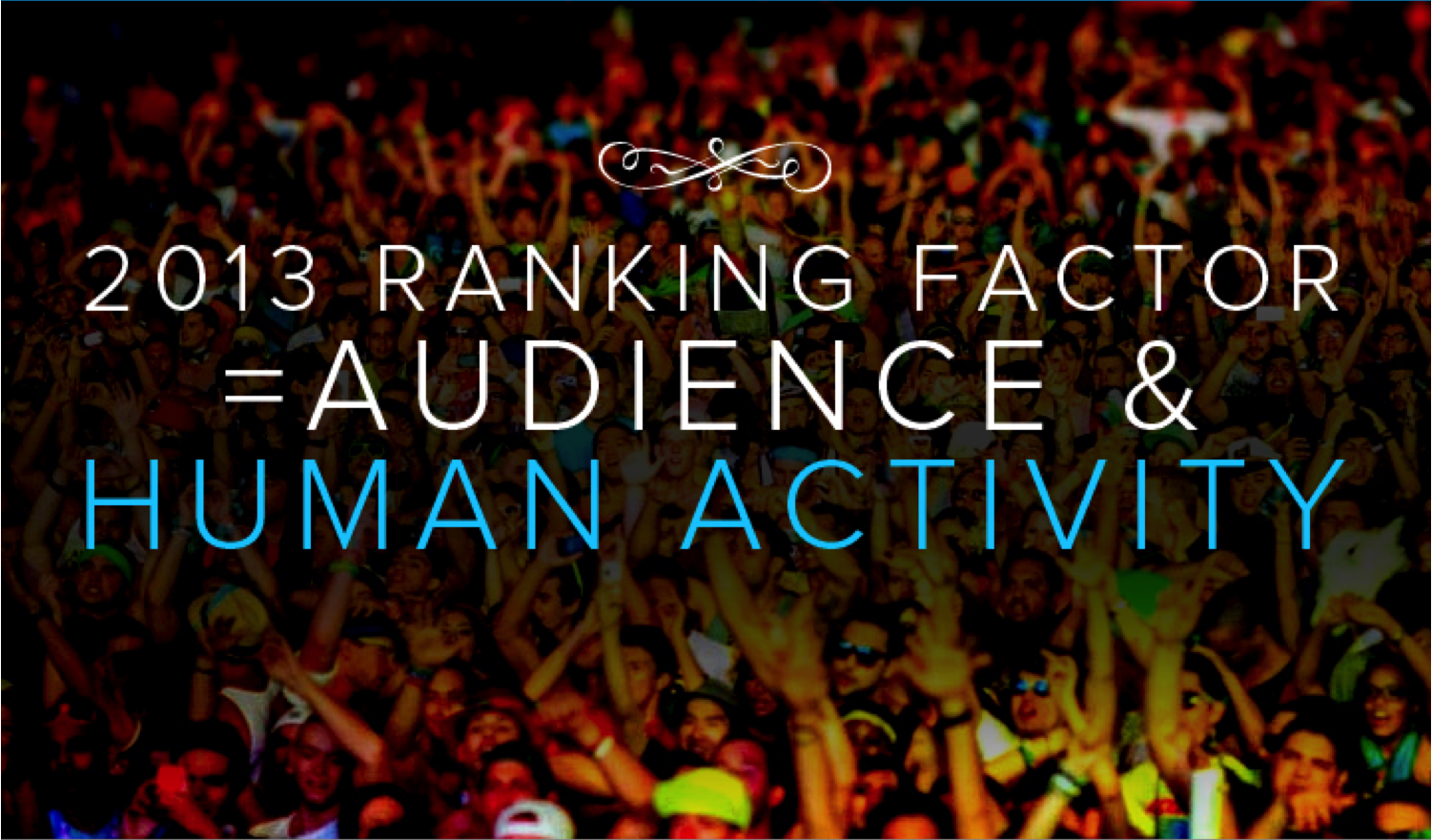
 Google loves brands and they’re getting much better at reading the signs. So whether it’s branded anchor text or brand queries, Google knows there’s a popular brand behind this traffic increase, and maybe that brand deserves a bit more attention in the search engine result pages (SERPs) as a result.
That to me is the biggest shift — it’s now much more about building high quality links as a by-product of great content. Look at page authority in many ways, more than you would domain. If you have an active audience there, it’s relevant to readers or users; if no one reads it, that means no one cares – why should Google?
So how do you build a link profile that can compete at the very top of your market sector?
Google loves brands and they’re getting much better at reading the signs. So whether it’s branded anchor text or brand queries, Google knows there’s a popular brand behind this traffic increase, and maybe that brand deserves a bit more attention in the search engine result pages (SERPs) as a result.
That to me is the biggest shift — it’s now much more about building high quality links as a by-product of great content. Look at page authority in many ways, more than you would domain. If you have an active audience there, it’s relevant to readers or users; if no one reads it, that means no one cares – why should Google?
So how do you build a link profile that can compete at the very top of your market sector?
Think Ahead: 13 Steps to Building a Market Leading Link Strategy
I’ve broken down the process we take when looking at link modelling across our clients sites into 13 key steps. This doesn’t only apply to sites which have been hit by Penguin, we do this for everyone to ensure they are on the right track — turning your link profile into a goldmine and not a ticking time-bomb!1) Change your mindset on metrics of link or site quality
Firstly, stop thinking like a link builder and start thinking like a Google engineer or a customer instead. Ask yourself this question: Does my link provide value to the end user? Good link building should be a natural by-product of great content. This means you need to think firstly about providing value to the end user, as opposed to what would Google think. Google hates old-school link building, so if you’re thinking about them first, you’re still not really getting away from the problem. Think about the important link metrics. That means forgetting about the search engine optimisation (SEO) metrics we are so used to for now — such as PageRank or Domain Authority — and start considering what really matters:- Traffic potential a link can send.
- RSS subscribers of target audience.
- Bounce rate of your content.
- Average number of social shares or comments your blog generates per post.
- Would the spam team like this link? Does it make Google look bad?
2) Identify if and when you’ve been hit by a penalty
If you think you’ve been hit by Penguin, the first thing you should do is to check Google Webmaster Tools for messages from Google to confirm if your suspicions are correct. Following this, take a look at Google’s algorithm change history to figure out if a drop (or hopefully increase!) in traffic coincides with a Google algorithm update.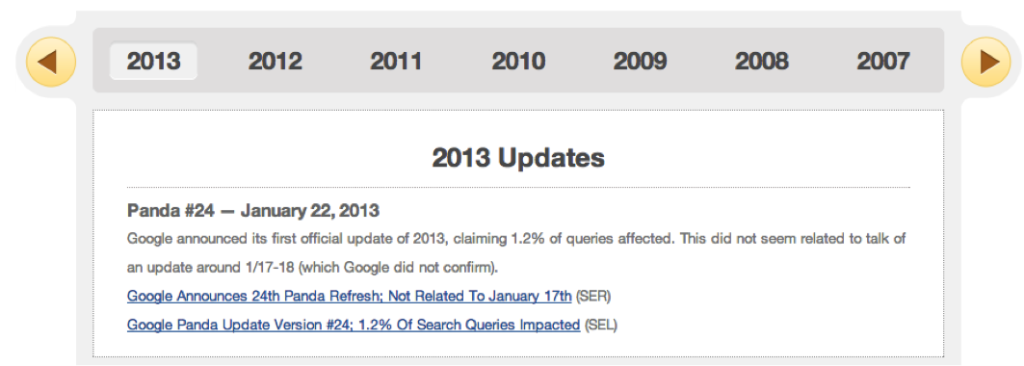 PanguinTool to dig deeper and highlight what Google updates were rolled out at the time as a comparsion overlay against your organic traffic in Google Analyitcs; then continue working through the next stages of this post.
3) Download all of your links
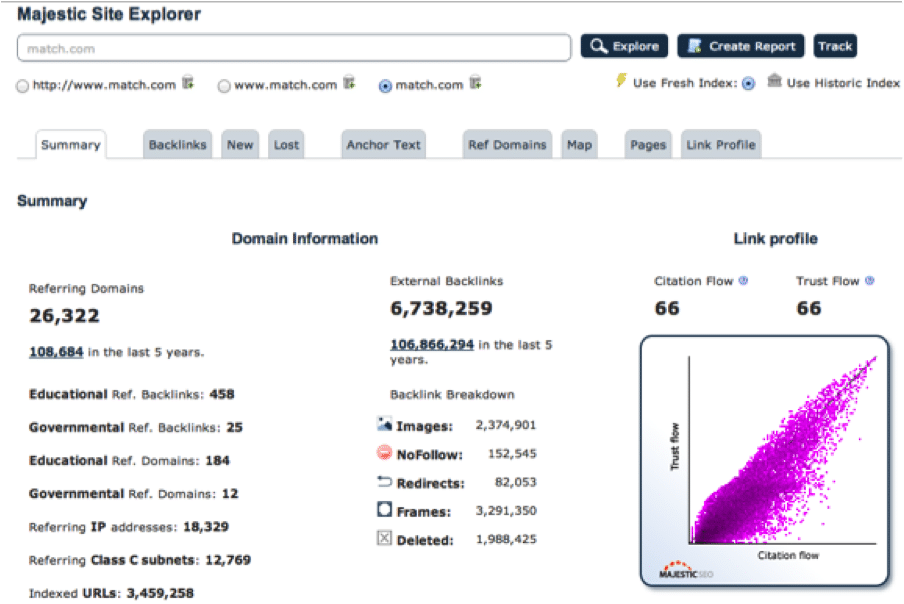
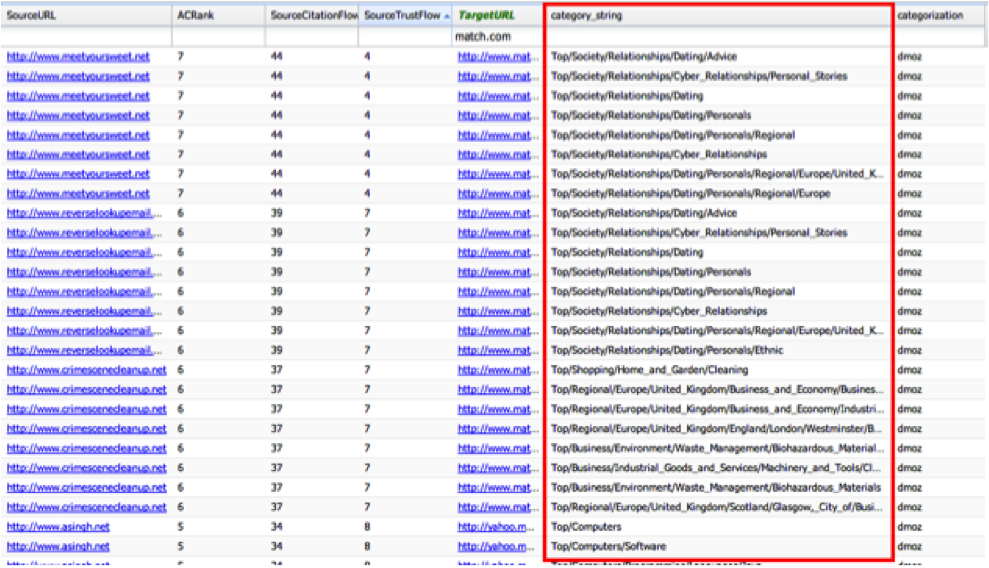
Take an Excel dump of all of your links, I would suggest using Majestic for this. For example, we decided to analyse the online dating market and here’s what the profile looks like for the number-one site in the sector, Match.com: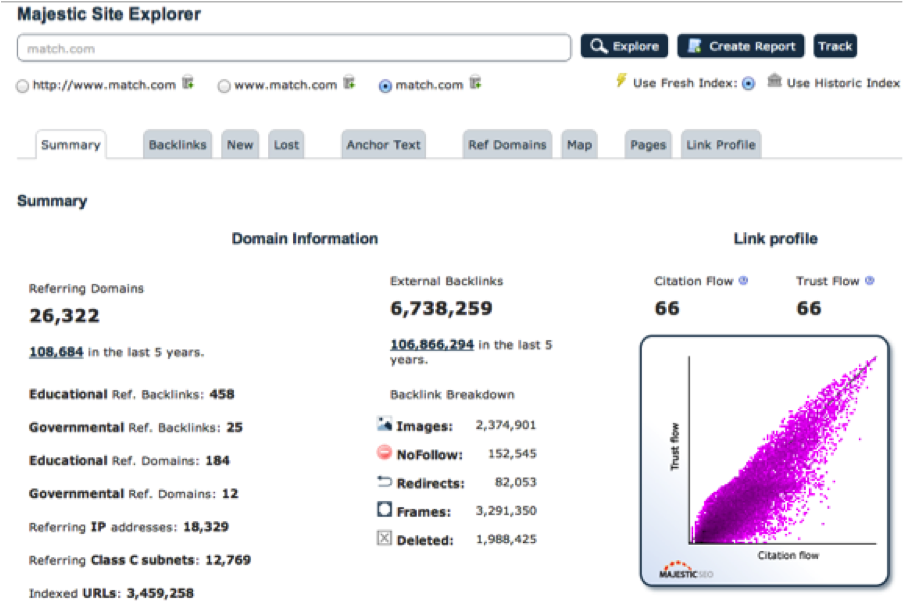 as opposed to Panda, where your whole site’s content has been devalued).
It’s often a long way back from here, so you want to make sure you’re doing things the right way so you can get this lifted as soon as possible. But that doesn’t mean you should rush into removing or disavowing links or submitting reconsideration requests.
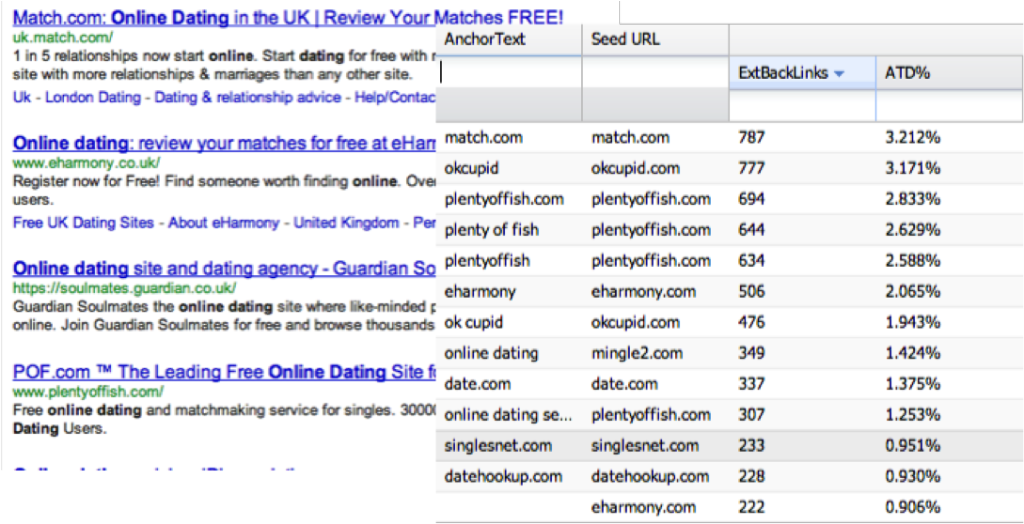
Our first step would be to analyse the anchor text distribution for the site, pinpointing the phrase(s) which have experienced a drop. Here’s the ATD% for Match.com as an example:
as opposed to Panda, where your whole site’s content has been devalued).
It’s often a long way back from here, so you want to make sure you’re doing things the right way so you can get this lifted as soon as possible. But that doesn’t mean you should rush into removing or disavowing links or submitting reconsideration requests.
Our first step would be to analyse the anchor text distribution for the site, pinpointing the phrase(s) which have experienced a drop. Here’s the ATD% for Match.com as an example:
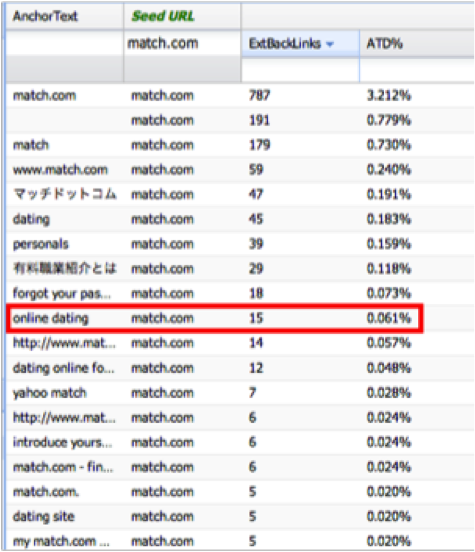 between 0.05% and 0.1% is often the sweet-spot for sites with strong profiles. However, don’t just take our word for it, results vary a lot based on the market so make sure you do your research.
5) Dig Deeper Using SEO Tools for Excel
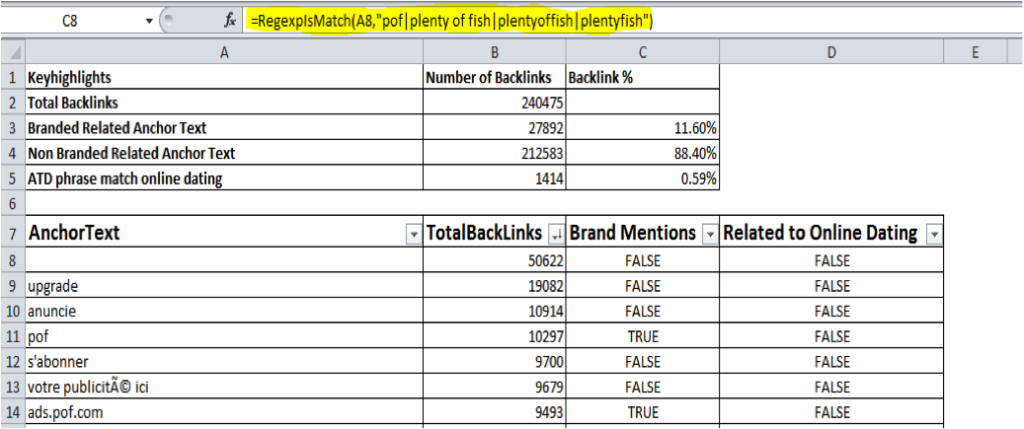
Using SEOTools for Excel allows you to use Regular Expressions in Excel. The idea behind using this tool would mean greater efficiency in helping you to better establish:- Branded vs. non branded anchor text distribution
- Related keyword inclusion of keyword anchor text distribution
- pof
- pof.com
- plentyoffish
- plenty of fish
- plenyoffish.com
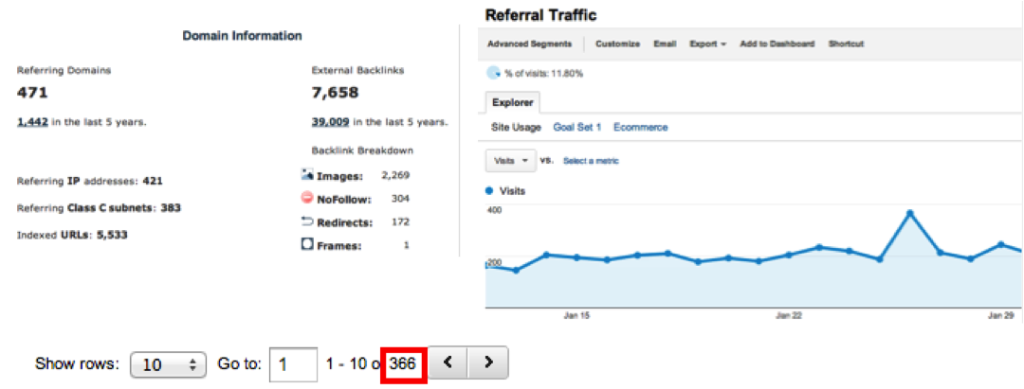

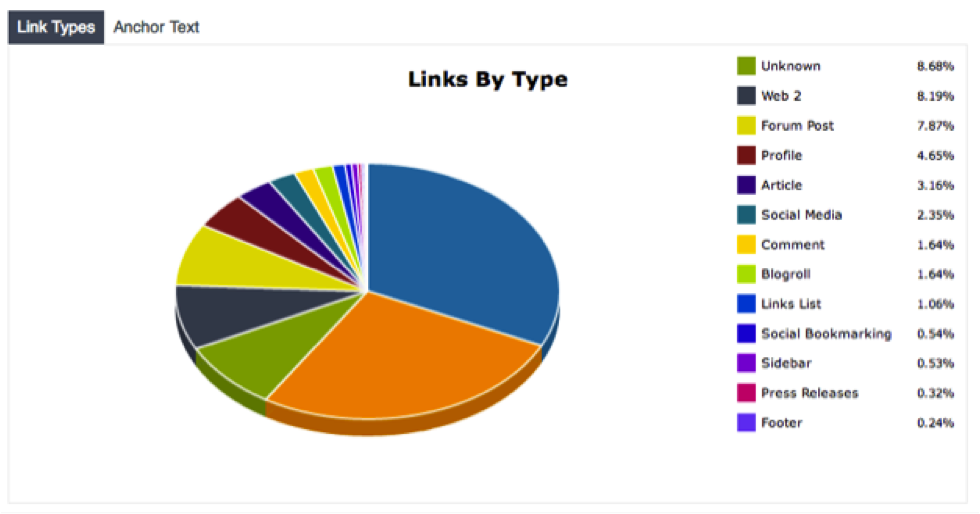
 Link Detective to find out what types of links competitors have and start to build an action plan on how you can start to model your own link profile in a similar way.
 submit a Google re-inclusion request to get the issue fully resolved.
This means you’ll need to identify why you’ve been hit initially. Google’s guidelines are pretty vague at the moment, but they will be improving this by providing specific examples of suspect links. It’s important that you document everything so you can show a record of any links you’ve removed and disclose the links you’ve paid for or think Google may be holding against you.
Once the manual penalty is applied, it’s rarely a quick fix to get this lifted, so you need to be as clear as possible and accept that it takes time and patience. If you’ve only just removed links, rather than assuming Google will manually check these for you, try waiting until they have been cached instead.
You may not get there the first time either. If it was easy to get a penalty lifted, that would encourage people to push their luck again next time; Google have purposely made the process tough. But once you’re out of Penguin, you’ll start to see rankings gradually starting to return.
We’ve found that the penalty is commonly phrase-specific (especially if anchor text related). Interestingly, once you remove links and are re-included, rankings often return back to a very similar level to where they were listed pre-penalty. This suggests that those links were having no real impact in the first place, but the penalty was more of a deterrent to prevent future link building activities of this nature.
This is very clever in my opinion. Previously, these type of links had no impact, which meant SEOs could build as many links as possible, in volume — they would either work or not, so the net result was usually an increase in rankings. It no longer works that way and Google has made this a far riskier strategy by better identifying paid or manipulated links and penalising sites for this activity.
This also makes Google’s job much easier, because they can cut down this activity by increasing the risk involved. So bear this in mind when submitting your re-inclusion request, Google wants to see that you understand what you’ve done wrong, you’ve made the effort to fix it, and that you won’t be doing it again.
submit a Google re-inclusion request to get the issue fully resolved.
This means you’ll need to identify why you’ve been hit initially. Google’s guidelines are pretty vague at the moment, but they will be improving this by providing specific examples of suspect links. It’s important that you document everything so you can show a record of any links you’ve removed and disclose the links you’ve paid for or think Google may be holding against you.
Once the manual penalty is applied, it’s rarely a quick fix to get this lifted, so you need to be as clear as possible and accept that it takes time and patience. If you’ve only just removed links, rather than assuming Google will manually check these for you, try waiting until they have been cached instead.
You may not get there the first time either. If it was easy to get a penalty lifted, that would encourage people to push their luck again next time; Google have purposely made the process tough. But once you’re out of Penguin, you’ll start to see rankings gradually starting to return.
We’ve found that the penalty is commonly phrase-specific (especially if anchor text related). Interestingly, once you remove links and are re-included, rankings often return back to a very similar level to where they were listed pre-penalty. This suggests that those links were having no real impact in the first place, but the penalty was more of a deterrent to prevent future link building activities of this nature.
This is very clever in my opinion. Previously, these type of links had no impact, which meant SEOs could build as many links as possible, in volume — they would either work or not, so the net result was usually an increase in rankings. It no longer works that way and Google has made this a far riskier strategy by better identifying paid or manipulated links and penalising sites for this activity.
This also makes Google’s job much easier, because they can cut down this activity by increasing the risk involved. So bear this in mind when submitting your re-inclusion request, Google wants to see that you understand what you’ve done wrong, you’ve made the effort to fix it, and that you won’t be doing it again.
12) Create a scalable content marketing strategy
Your main focus should be on creating an online buzz and building a natural link profile which reflects this. By focusing on high-quality content production and outreach, you can start strengthening your brand’s reputation and audience — and with that, comes links.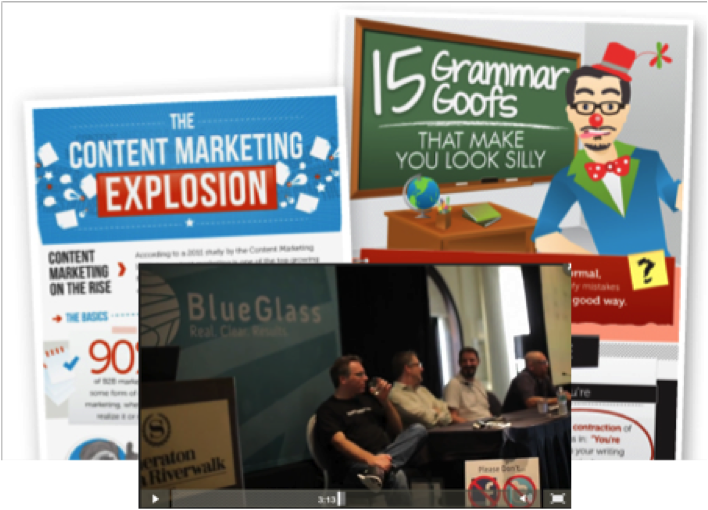 more detail at SES London, it’s all about being awesome!
It doesn’t necessarily have to be harder either — just focus that effort you used to spend on creating 100 blog posts towards creating one outstanding content initiative instead.
That’s a much more interesting campaign for your team to work on internally. They can now focus on something they are really passionate about and then reap the rewards by naturally acquiring high-quality, targeted links that can build long-term and sustainable results.
more detail at SES London, it’s all about being awesome!
It doesn’t necessarily have to be harder either — just focus that effort you used to spend on creating 100 blog posts towards creating one outstanding content initiative instead.
That’s a much more interesting campaign for your team to work on internally. They can now focus on something they are really passionate about and then reap the rewards by naturally acquiring high-quality, targeted links that can build long-term and sustainable results.