Is virtual reality (VR) the future of content marketing?

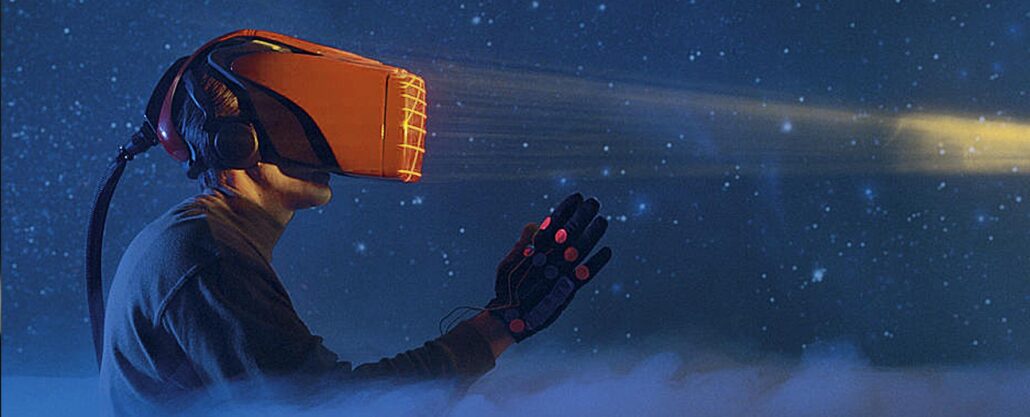
I have a confession. Until recently I hadn’t really given virtual reality too much thought…
Sure it looks like a lot of fun for gamers, but for marketers? Surely not!
The novelty will wear off and it will never catch on for a mainstream audience…
 Then I saw Robert Scoble talk about virtual reality (VR) at Pubcon last month, which for me was a real eye-opener.
 VR will change how you shop, work, listen to music, workout, learn & more…
https://twitter.com/LisaBarone/status/786237720846749696
As marketers, we have to provide the best experiences for the way that your customers want to consume content.
VR will change how you shop, work, listen to music, workout, learn & more…
https://twitter.com/LisaBarone/status/786237720846749696
As marketers, we have to provide the best experiences for the way that your customers want to consume content.
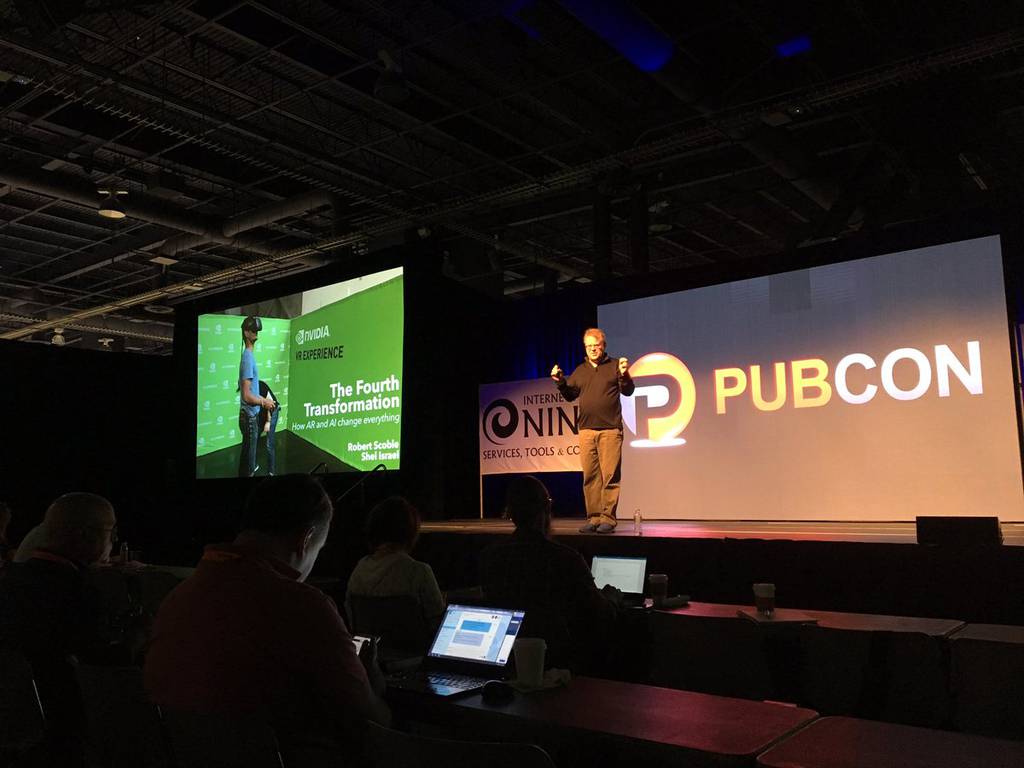 Then I saw Robert Scoble talk about virtual reality (VR) at Pubcon last month, which for me was a real eye-opener.
This really got me thinking about what virtual reality means for the future of content marketing…
I asked Robert a few questions after his talk, which provided hugely valuable insight into how VR can have an impact to everyone, and what marketers need to do in order to take advantage of this. Don’t worry, I’m sharing all of the key points with you:1) Microsoft is betting the company on HoloLens
Definitely watch this video, it’s very cool to see what VR will be able to do. It feels a bit like Minority Report to me, but it’s no longer a futuristic sci-fi movie! Microsoft, Apple, Google, Facebook and Sony all heavily invested in virtual reality and if these five see that the future is in VR, they should know. They clearly intend on doing whatever they can to make that happen, push the market forward and look to take their piece of it.2) Christmas 2017 iPhone announcement is going to be big for VR
Robert Scoble predicts that by the end of next year most of the world will get VR through their mobile phones and connecting headset. The iPhone 8 (rumours are it probably won’t be called that and will be a sheet of glass!) launch at Christmas next year will include virtual reality headsets:“The camera continues the work we introduced last year with a new dual lens design, but this year we have the point cloud data from the Primsense sensor that can computationally be joined with the camera’s data so a new kind of photography is possible. Volumetric. Here, let me show you. You take a photo with your iPhone 8 and now, using the virtual reality capabilities of the new phone, you can actually walk around the image you captured. Or lay it on top, as a Hologram. Isn’t that cool?”If this happens, this could be the big game changer. It takes VR from the gamer community into the mainstream market. At that point, it goes from being cool to marketers, to essential.
3) Marketing is about to deeply change
Sephora are already using VR to colour match makeup, Ford are using VR test drives.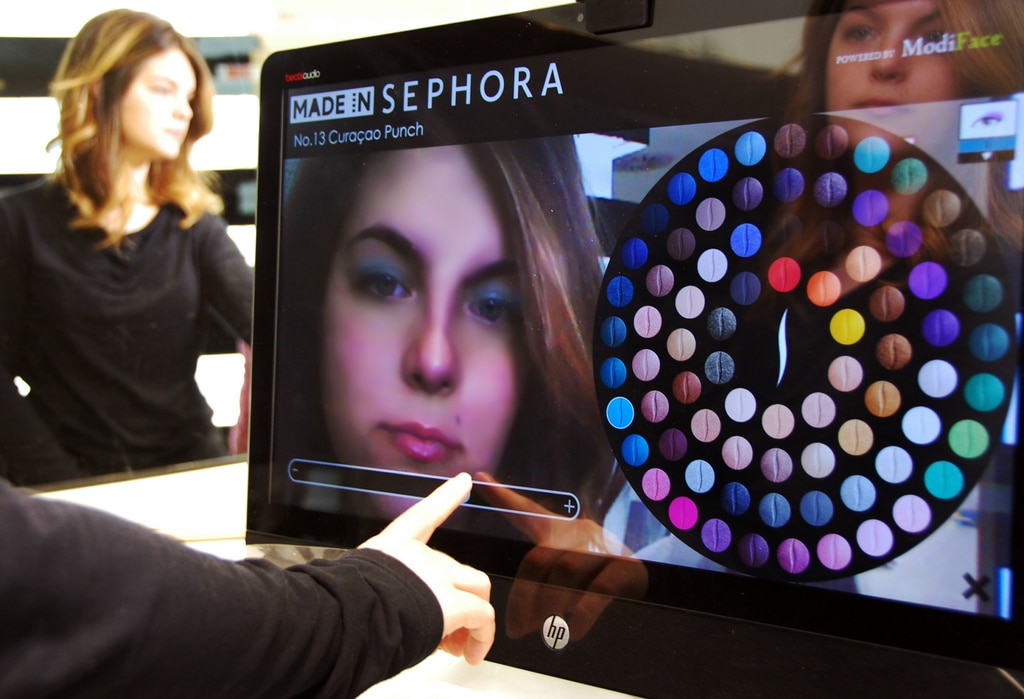 VR will change how you shop, work, listen to music, workout, learn & more…
https://twitter.com/LisaBarone/status/786237720846749696
As marketers, we have to provide the best experiences for the way that your customers want to consume content.
VR will change how you shop, work, listen to music, workout, learn & more…
https://twitter.com/LisaBarone/status/786237720846749696
As marketers, we have to provide the best experiences for the way that your customers want to consume content.
4) If people are searching for virtual reality experiences, Google’s role is to help people find them
I’m always keen to bring it back to what this means for SEO and content marketing, so this is one of the questions I asked Robert Scoble specifically. His response was that the future of content marketing and virtual reality beyond gaming means that;- You will be able to ask a question, such as “what is the best nightclub near me?”
- In VR you will then be shown the top nightclub dance-floors, with people dancing and enjoying themselves.
- Based on your reaction, for example if you smile, VR will notice what you like and which recommendations to emphasise to you.
5) As content marketers, we need to create experiences that match what people are looking for
For example, if you are in the real estate industry, you’ll likely want to view houses in order to help making a purchase decision… With VR, you’ll be able to take people on virtual tour journeys – which is great for 2 reasons:- It’s more efficient – rather than having your sales people showing each buyer around 10+ houses, why not get them viewing them via virtual reality first to filter down their list of options. Let’s say that saves 30 mins per visit, which is much more beneficial for both buyer and seller.
- It’s a fun memorable experience – people will talk about your brand, especially if you’re one of the early adopters and it’s a much better experience than just viewing photos which can never tell the full story.
6) SEO’s role is to make sure your content triggers the factors that VR is looking for
It’s no good having a great VR experience if no one can find it. The role of SEO will be to ensure that your content is shown and promoted when people are looking for recommendations. In some ways, the role hasn’t changed at all. Understanding SEO means understanding people:- What type of information are they looking for?
- How are they going to try to find it?
- Once they find it, how do they want to see it?
7) Start now – early adopters have the advantage
Don’t make the mistake of thinking this is the future, but we’ve got bigger priorities for right now. Now is the time to start. Build selfie tennis were one of the first VR games developed, it was cheap for them to enter the market and there’s no competition, so by doing something new and exciting they naturally generate promotion, without having to pay for advertising. The first step is likely to be considering the skill-sets you need. If you’re currently graduating or looking for a career change (perhaps a real estate agent, see above!) – these are the skillsets that people will be looking for in order to provide the best VR experiences:- Unity – you’re likely to see a lot of Unity developers come onto the market in the near future, and they’re likely to be in high demand with a price tag to follow.
- 360 degree photography – buy a camera and start playing around!
- Video production – this is a logical step into VR
- C# developers – Java developers are likely to be moving into C# too